
Inspired by Beavers, Ducks Unlimited Canada builds organization’s first Beaver Dam Analogue
A Media Snippet accompanying this announcement is available by clicking on this link.
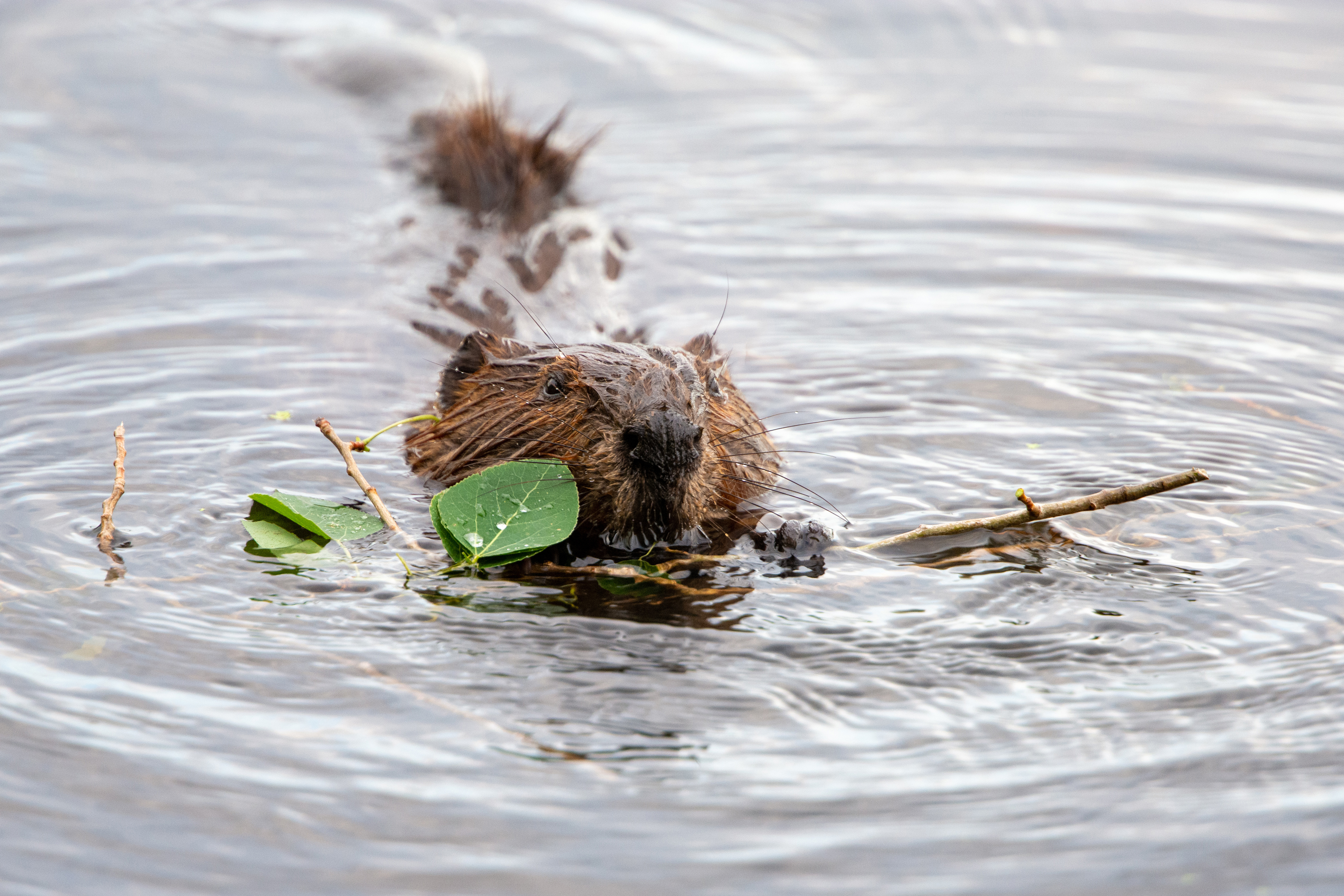
STONEWALL, Manitoba, July 13, 2026 (GLOBE NEWSWIRE) -- Ducks Unlimited Canada (DUC) is debuting a new approach to wetland restoration with the construction of Beaver Dam Analogues (BDAs); structures built from natural organic materials and designed to mimic the form and function of beaver-made dams. The project represents a milestone in the organization's use of low-tech, cost-effective, scalable restoration solutions that work with nature.
What is a Beaver Dam Analogue?
BDAs are built using locally sourced vegetation, sediment and untreated wooden posts. Designed to encourage beavers to return and intuitively adopt and enhance these structures naturally over time, BDAs help restore healthy streamside habitats.
Over time, human activities such as road building, drainage and land-use changes can cause streams to flow faster, cut deeper into the landscape and disconnect them from wetlands and floodplains – thereby reducing their ability to store water and support biodiversity.
BDAs help reverse this process by mimicking natural beaver dams. These low-tech, nature-based structures slow water flow, raise water tables and allow water to spread across the landscape. As water flows slow, sediment settles and streams gradually reconnect with surrounding floodplains — improving water storage, reducing erosion and supporting more resilient wetlands and communities during extreme weather.
“Beaver dam analogues represent an important evolution in how we approach conservation,” said Kasey McKenzie, Conservation Programs Specialist for Ducks Unlimited Canada B.C. “It’s restoration that mimics nature, rebuilding the natural systems that store water, create habitat for local biodiversity including birds, amphibians and mammals, and sustain wetlands over time.”
While not suitable in all settings, BDAs are increasingly used in certain parts of Canada, particularly in low-gradient systems where beavers historically occurred. The effectiveness of a BDA depends on certain local conditions and is not always appropriate in highly engineered or agricultural waterways where land-use and infrastructure constraints apply.
McKenzie explained, “Beaver dam analogues can be highly effective in the right places, but they are not a one-size-fits-all intervention. Success depends on matching the tool to the landscape, meaning building a BDA only where it supports natural hydrology, and using alternative approaches where a BDA would not be able to do that.”
A first for Ducks Unlimited Canada
While DUC has supported collaborations on partner-led BDA structures, this is the first DUC-led BDA initiative. DUC’s first BDA broke ground on May 25, 2026 near Dawson Creek in the Peace River region of British Columbia. The project saw six BDA structures created along a 300-metre section of a stream, creating the conditions for the restoration of a historically beaver-influenced wetland landscape that was lost following repeated flash floods between 2016 and 2018. Beavers are already actively maintaining a dam a few hundred meters upstream of these new structures, making this site ideal to attract these beavers downstream to improve the structures and expand the scale of restoration in the watershed.
The effectiveness and affordability of BDAs make them increasingly attractive as communities face growing pressures from drought, flooding and changing water regimes, while funding for large infrastructure projects becomes more difficult to secure.
This project is supported in part by the Habitat Conservation Trust Foundation (HCTF), an organization funded by hunters, anglers, trappers, and guide outfitters, that invests funds from on-the-ground landscape users directly into conservation projects that deliver lasting benefits for fish, wildlife and habitats.
The Dawson Creek BDA project reflects DUC’s broader commitment to scalable, affordable conservation solutions that work with nature. The project will be monitored for at least three years, helping inform future applications across the country.
About Ducks Unlimited Canada: Ducks Unlimited Canada (DUC) is the country's largest land conservancy and a leader in wetland conservation. A registered charity, DUC uses sound science and partners with Indigenous Peoples, government, industry, non-profit organizations and landowners to conserve wetlands that are critical to waterfowl, wildlife and the environment. To learn more about DUC’s innovative environmental solutions and services, visit www.ducks.ca
Media Contact: media@ducks.ca


Legal Disclaimer:
EIN Presswire provides this news content "as is" without warranty of any kind. We do not accept any responsibility or liability for the accuracy, content, images, videos, licenses, completeness, legality, or reliability of the information contained in this article. If you have any complaints or copyright issues related to this article, kindly contact the author above.
